
During March and April like most people in the UK, I walked around my local streets and parks and the forest which is literally a stone’s throw from our house. I was always accompanied by my standard poodle Lottie.
I varied which camera I took with me depending on what I hope to capture, the weather and how I felt that day. I loaded up a roll of film into my newly acquired Olympus Pen EE too.
Here are some of the photos I took.

Bracknell 110 SLRA single-lens reflex camera (SLR) is a camera that typically uses a mirror and prism system (hence "reflex" from the mirror's reflection) that permits the photographer to view through the lens and see exactly what will be captured. With twin lens reflex and rangefinder cameras, the viewed image could be significantly different from the final image. When the shutter button is pressed on most SLRs, the mirror flips out of the light path, allowing light to pass through to the film. Other camera typoes include DSLR, Rangefinder and Compact. [rdp-wiki-embed url="http://camera-wiki.org/wiki/SLR" toc_show='0′ edit_show='0′ infobox_show='1′] More -011089050013

Bracknell 110 SLRA single-lens reflex camera (SLR) is a camera that typically uses a mirror and prism system (hence "reflex" from the mirror's reflection) that permits the photographer to view through the lens and see exactly what will be captured. With twin lens reflex and rangefinder cameras, the viewed image could be significantly different from the final image. When the shutter button is pressed on most SLRs, the mirror flips out of the light path, allowing light to pass through to the film. Other camera typoes include DSLR, Rangefinder and Compact. [rdp-wiki-embed url="http://camera-wiki.org/wiki/SLR" toc_show='0′ edit_show='0′ infobox_show='1′] More -011089050012

Bracknell 110 SLRA single-lens reflex camera (SLR) is a camera that typically uses a mirror and prism system (hence "reflex" from the mirror's reflection) that permits the photographer to view through the lens and see exactly what will be captured. With twin lens reflex and rangefinder cameras, the viewed image could be significantly different from the final image. When the shutter button is pressed on most SLRs, the mirror flips out of the light path, allowing light to pass through to the film. Other camera typoes include DSLR, Rangefinder and Compact. [rdp-wiki-embed url="http://camera-wiki.org/wiki/SLR" toc_show='0′ edit_show='0′ infobox_show='1′] More -011089050011

Bracknell 110 SLRA single-lens reflex camera (SLR) is a camera that typically uses a mirror and prism system (hence "reflex" from the mirror's reflection) that permits the photographer to view through the lens and see exactly what will be captured. With twin lens reflex and rangefinder cameras, the viewed image could be significantly different from the final image. When the shutter button is pressed on most SLRs, the mirror flips out of the light path, allowing light to pass through to the film. Other camera typoes include DSLR, Rangefinder and Compact. [rdp-wiki-embed url="http://camera-wiki.org/wiki/SLR" toc_show='0′ edit_show='0′ infobox_show='1′] More -011089050010

Bracknell 110 SLRA single-lens reflex camera (SLR) is a camera that typically uses a mirror and prism system (hence "reflex" from the mirror's reflection) that permits the photographer to view through the lens and see exactly what will be captured. With twin lens reflex and rangefinder cameras, the viewed image could be significantly different from the final image. When the shutter button is pressed on most SLRs, the mirror flips out of the light path, allowing light to pass through to the film. Other camera typoes include DSLR, Rangefinder and Compact. [rdp-wiki-embed url="http://camera-wiki.org/wiki/SLR" toc_show='0′ edit_show='0′ infobox_show='1′] More -011089050009

Bracknell 110 SLRA single-lens reflex camera (SLR) is a camera that typically uses a mirror and prism system (hence "reflex" from the mirror's reflection) that permits the photographer to view through the lens and see exactly what will be captured. With twin lens reflex and rangefinder cameras, the viewed image could be significantly different from the final image. When the shutter button is pressed on most SLRs, the mirror flips out of the light path, allowing light to pass through to the film. Other camera typoes include DSLR, Rangefinder and Compact. [rdp-wiki-embed url="http://camera-wiki.org/wiki/SLR" toc_show='0′ edit_show='0′ infobox_show='1′] More -011089050008

Bracknell 110 SLRA single-lens reflex camera (SLR) is a camera that typically uses a mirror and prism system (hence "reflex" from the mirror's reflection) that permits the photographer to view through the lens and see exactly what will be captured. With twin lens reflex and rangefinder cameras, the viewed image could be significantly different from the final image. When the shutter button is pressed on most SLRs, the mirror flips out of the light path, allowing light to pass through to the film. Other camera typoes include DSLR, Rangefinder and Compact. [rdp-wiki-embed url="http://camera-wiki.org/wiki/SLR" toc_show='0′ edit_show='0′ infobox_show='1′] More -011089050007

Bracknell 110 SLRA single-lens reflex camera (SLR) is a camera that typically uses a mirror and prism system (hence "reflex" from the mirror's reflection) that permits the photographer to view through the lens and see exactly what will be captured. With twin lens reflex and rangefinder cameras, the viewed image could be significantly different from the final image. When the shutter button is pressed on most SLRs, the mirror flips out of the light path, allowing light to pass through to the film. Other camera typoes include DSLR, Rangefinder and Compact. [rdp-wiki-embed url="http://camera-wiki.org/wiki/SLR" toc_show='0′ edit_show='0′ infobox_show='1′] More -011089050006

Bracknell 110 SLRA single-lens reflex camera (SLR) is a camera that typically uses a mirror and prism system (hence "reflex" from the mirror's reflection) that permits the photographer to view through the lens and see exactly what will be captured. With twin lens reflex and rangefinder cameras, the viewed image could be significantly different from the final image. When the shutter button is pressed on most SLRs, the mirror flips out of the light path, allowing light to pass through to the film. Other camera typoes include DSLR, Rangefinder and Compact. [rdp-wiki-embed url="http://camera-wiki.org/wiki/SLR" toc_show='0′ edit_show='0′ infobox_show='1′] More -011089050005

Bracknell 110 SLRA single-lens reflex camera (SLR) is a camera that typically uses a mirror and prism system (hence "reflex" from the mirror's reflection) that permits the photographer to view through the lens and see exactly what will be captured. With twin lens reflex and rangefinder cameras, the viewed image could be significantly different from the final image. When the shutter button is pressed on most SLRs, the mirror flips out of the light path, allowing light to pass through to the film. Other camera typoes include DSLR, Rangefinder and Compact. [rdp-wiki-embed url="http://camera-wiki.org/wiki/SLR" toc_show='0′ edit_show='0′ infobox_show='1′] More -011089050004

Bracknell 110 SLRA single-lens reflex camera (SLR) is a camera that typically uses a mirror and prism system (hence "reflex" from the mirror's reflection) that permits the photographer to view through the lens and see exactly what will be captured. With twin lens reflex and rangefinder cameras, the viewed image could be significantly different from the final image. When the shutter button is pressed on most SLRs, the mirror flips out of the light path, allowing light to pass through to the film. Other camera typoes include DSLR, Rangefinder and Compact. [rdp-wiki-embed url="http://camera-wiki.org/wiki/SLR" toc_show='0′ edit_show='0′ infobox_show='1′] More -011089050003

Bracknell 110 SLRA single-lens reflex camera (SLR) is a camera that typically uses a mirror and prism system (hence "reflex" from the mirror's reflection) that permits the photographer to view through the lens and see exactly what will be captured. With twin lens reflex and rangefinder cameras, the viewed image could be significantly different from the final image. When the shutter button is pressed on most SLRs, the mirror flips out of the light path, allowing light to pass through to the film. Other camera typoes include DSLR, Rangefinder and Compact. [rdp-wiki-embed url="http://camera-wiki.org/wiki/SLR" toc_show='0′ edit_show='0′ infobox_show='1′] More -011089050002

Bracknell 110 SLRA single-lens reflex camera (SLR) is a camera that typically uses a mirror and prism system (hence "reflex" from the mirror's reflection) that permits the photographer to view through the lens and see exactly what will be captured. With twin lens reflex and rangefinder cameras, the viewed image could be significantly different from the final image. When the shutter button is pressed on most SLRs, the mirror flips out of the light path, allowing light to pass through to the film. Other camera typoes include DSLR, Rangefinder and Compact. [rdp-wiki-embed url="http://camera-wiki.org/wiki/SLR" toc_show='0′ edit_show='0′ infobox_show='1′] More -011089050001

Tree Lined Path

Gallery OlympusOlympus introduced its first camera in 1936, the Semi-Olympus I, fitted with the first Zuiko-branded lens. The first innovative camera series from Olympus was the Pen, launched in 1959. The half-frame format, allowing 72 pictures of 18 × 24 mm format on a standard 36-exposure roll of film, made Pen cameras compact and portable for their time. Pixel More Pen Tall Twins
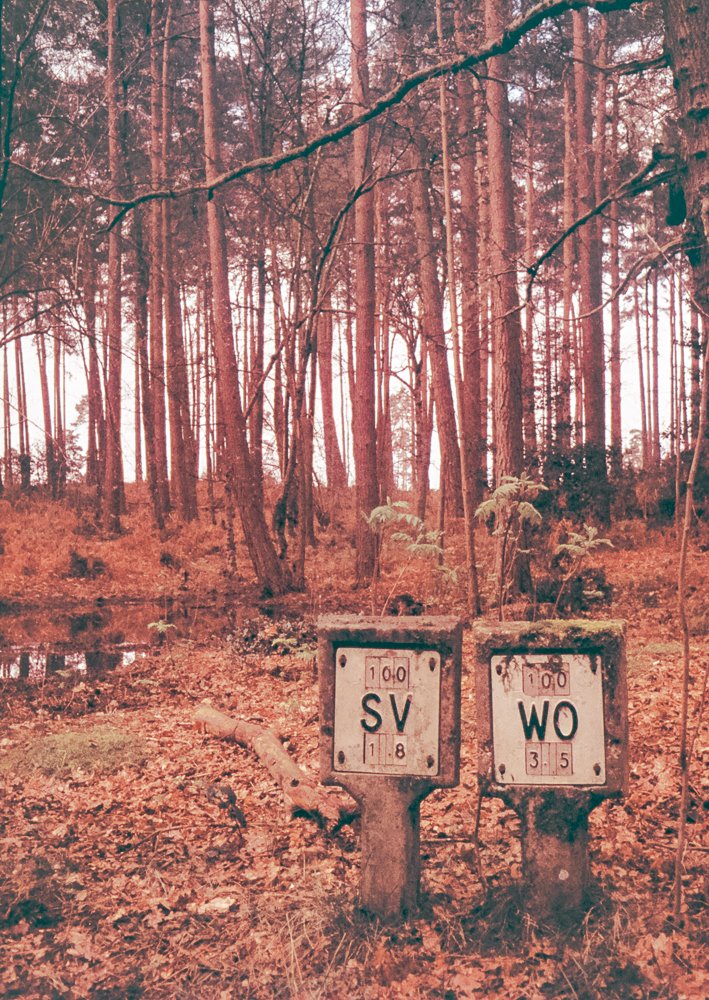
Gallery OlympusOlympus introduced its first camera in 1936, the Semi-Olympus I, fitted with the first Zuiko-branded lens. The first innovative camera series from Olympus was the Pen, launched in 1959. The half-frame format, allowing 72 pictures of 18 × 24 mm format on a standard 36-exposure roll of film, made Pen cameras compact and portable for their time. Pixel More Pen Tall Twins-2-3

Gallery OlympusOlympus introduced its first camera in 1936, the Semi-Olympus I, fitted with the first Zuiko-branded lens. The first innovative camera series from Olympus was the Pen, launched in 1959. The half-frame format, allowing 72 pictures of 18 × 24 mm format on a standard 36-exposure roll of film, made Pen cameras compact and portable for their time. Pixel More Pen Tall Twins-2-2

Gallery OlympusOlympus introduced its first camera in 1936, the Semi-Olympus I, fitted with the first Zuiko-branded lens. The first innovative camera series from Olympus was the Pen, launched in 1959. The half-frame format, allowing 72 pictures of 18 × 24 mm format on a standard 36-exposure roll of film, made Pen cameras compact and portable for their time. Pixel More Pen Tall Trees-2

Gallery OlympusOlympus introduced its first camera in 1936, the Semi-Olympus I, fitted with the first Zuiko-branded lens. The first innovative camera series from Olympus was the Pen, launched in 1959. The half-frame format, allowing 72 pictures of 18 × 24 mm format on a standard 36-exposure roll of film, made Pen cameras compact and portable for their time. Pixel More Pen Rainbow-2

Gallery OlympusOlympus introduced its first camera in 1936, the Semi-Olympus I, fitted with the first Zuiko-branded lens. The first innovative camera series from Olympus was the Pen, launched in 1959. The half-frame format, allowing 72 pictures of 18 × 24 mm format on a standard 36-exposure roll of film, made Pen cameras compact and portable for their time. Pixel More Pen Post Box-2

Gallery OlympusOlympus introduced its first camera in 1936, the Semi-Olympus I, fitted with the first Zuiko-branded lens. The first innovative camera series from Olympus was the Pen, launched in 1959. The half-frame format, allowing 72 pictures of 18 × 24 mm format on a standard 36-exposure roll of film, made Pen cameras compact and portable for their time. Pixel More Pen Path Home-2

Gallery OlympusOlympus introduced its first camera in 1936, the Semi-Olympus I, fitted with the first Zuiko-branded lens. The first innovative camera series from Olympus was the Pen, launched in 1959. The half-frame format, allowing 72 pictures of 18 × 24 mm format on a standard 36-exposure roll of film, made Pen cameras compact and portable for their time. Pixel More Pen Landscape-2

Gallery OlympusOlympus introduced its first camera in 1936, the Semi-Olympus I, fitted with the first Zuiko-branded lens. The first innovative camera series from Olympus was the Pen, launched in 1959. The half-frame format, allowing 72 pictures of 18 × 24 mm format on a standard 36-exposure roll of film, made Pen cameras compact and portable for their time. Pixel More Pen Half FrameHalf frame cameras allow you to take two photos on one standard 35mm frame. This means that you can take 72 photos on one roll of film instead of the standard 36 and 48 on a normal 24 exposure film. The frames are in portrait rather than landscape. Olympus is probably the most well known manufacturer is Olympus with its Pen range - Pen-F, Pen EE, etc. More Example-2
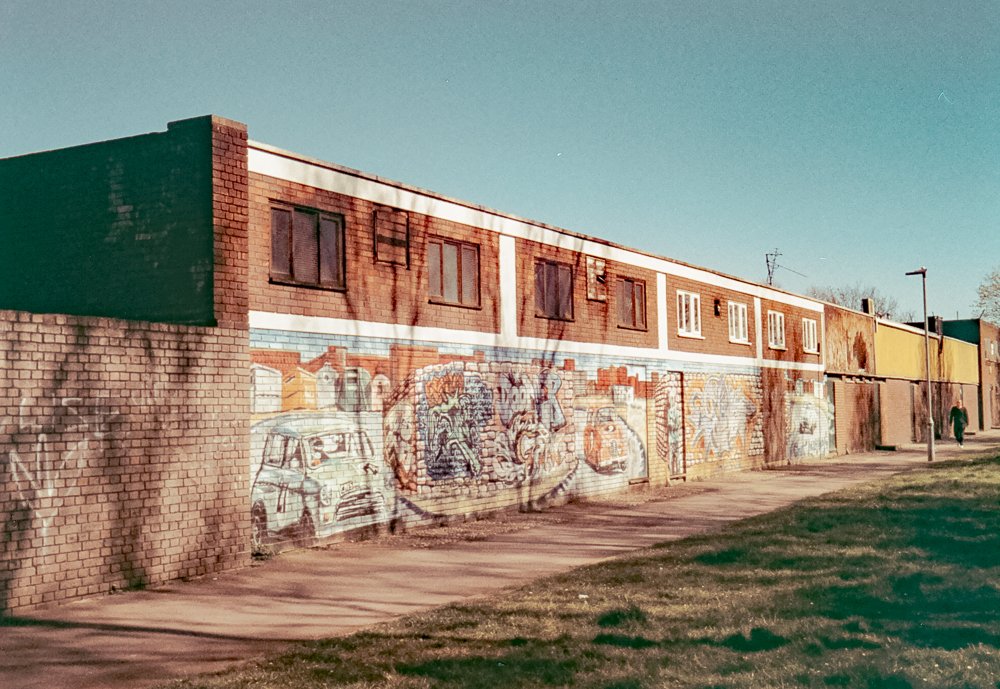
Gallery OlympusOlympus introduced its first camera in 1936, the Semi-Olympus I, fitted with the first Zuiko-branded lens. The first innovative camera series from Olympus was the Pen, launched in 1959. The half-frame format, allowing 72 pictures of 18 × 24 mm format on a standard 36-exposure roll of film, made Pen cameras compact and portable for their time. Pixel More Pen Grafiti-2

Gallery OlympusOlympus introduced its first camera in 1936, the Semi-Olympus I, fitted with the first Zuiko-branded lens. The first innovative camera series from Olympus was the Pen, launched in 1959. The half-frame format, allowing 72 pictures of 18 × 24 mm format on a standard 36-exposure roll of film, made Pen cameras compact and portable for their time. Pixel More Pen Flats-2

Gallery Olympus Pen Ee-2

Gallery OlympusOlympus introduced its first camera in 1936, the Semi-Olympus I, fitted with the first Zuiko-branded lens. The first innovative camera series from Olympus was the Pen, launched in 1959. The half-frame format, allowing 72 pictures of 18 × 24 mm format on a standard 36-exposure roll of film, made Pen cameras compact and portable for their time. Pixel More Pen Ee-2-2

Gallery OlympusOlympus introduced its first camera in 1936, the Semi-Olympus I, fitted with the first Zuiko-branded lens. The first innovative camera series from Olympus was the Pen, launched in 1959. The half-frame format, allowing 72 pictures of 18 × 24 mm format on a standard 36-exposure roll of film, made Pen cameras compact and portable for their time. Pixel More Pen Ee Safety-2

Gallery OlympusOlympus introduced its first camera in 1936, the Semi-Olympus I, fitted with the first Zuiko-branded lens. The first innovative camera series from Olympus was the Pen, launched in 1959. The half-frame format, allowing 72 pictures of 18 × 24 mm format on a standard 36-exposure roll of film, made Pen cameras compact and portable for their time. Pixel More Pen Ee Rowen-2

Gallery OlympusOlympus introduced its first camera in 1936, the Semi-Olympus I, fitted with the first Zuiko-branded lens. The first innovative camera series from Olympus was the Pen, launched in 1959. The half-frame format, allowing 72 pictures of 18 × 24 mm format on a standard 36-exposure roll of film, made Pen cameras compact and portable for their time. Pixel More Pen Ee Pool-2

Gallery OlympusOlympus introduced its first camera in 1936, the Semi-Olympus I, fitted with the first Zuiko-branded lens. The first innovative camera series from Olympus was the Pen, launched in 1959. The half-frame format, allowing 72 pictures of 18 × 24 mm format on a standard 36-exposure roll of film, made Pen cameras compact and portable for their time. Pixel More Pen Ee Pool-2-3

Gallery OlympusOlympus introduced its first camera in 1936, the Semi-Olympus I, fitted with the first Zuiko-branded lens. The first innovative camera series from Olympus was the Pen, launched in 1959. The half-frame format, allowing 72 pictures of 18 × 24 mm format on a standard 36-exposure roll of film, made Pen cameras compact and portable for their time. Pixel More Pen Ee Pool-2-2

Gallery OlympusOlympus introduced its first camera in 1936, the Semi-Olympus I, fitted with the first Zuiko-branded lens. The first innovative camera series from Olympus was the Pen, launched in 1959. The half-frame format, allowing 72 pictures of 18 × 24 mm format on a standard 36-exposure roll of film, made Pen cameras compact and portable for their time. Pixel More Pen Ee Poodle-2

Gallery OlympusOlympus introduced its first camera in 1936, the Semi-Olympus I, fitted with the first Zuiko-branded lens. The first innovative camera series from Olympus was the Pen, launched in 1959. The half-frame format, allowing 72 pictures of 18 × 24 mm format on a standard 36-exposure roll of film, made Pen cameras compact and portable for their time. Pixel More Pen Ee Poodle-2-3
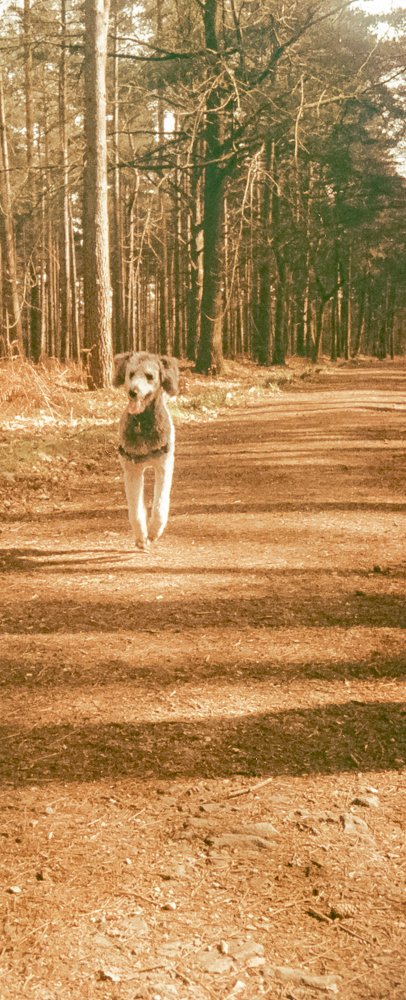
Gallery OlympusOlympus introduced its first camera in 1936, the Semi-Olympus I, fitted with the first Zuiko-branded lens. The first innovative camera series from Olympus was the Pen, launched in 1959. The half-frame format, allowing 72 pictures of 18 × 24 mm format on a standard 36-exposure roll of film, made Pen cameras compact and portable for their time. Pixel More Pen Ee Poodle-2-2

Gallery OlympusOlympus introduced its first camera in 1936, the Semi-Olympus I, fitted with the first Zuiko-branded lens. The first innovative camera series from Olympus was the Pen, launched in 1959. The half-frame format, allowing 72 pictures of 18 × 24 mm format on a standard 36-exposure roll of film, made Pen cameras compact and portable for their time. Pixel More Pen Ee Poodle Over Stream-2

Gallery OlympusOlympus introduced its first camera in 1936, the Semi-Olympus I, fitted with the first Zuiko-branded lens. The first innovative camera series from Olympus was the Pen, launched in 1959. The half-frame format, allowing 72 pictures of 18 × 24 mm format on a standard 36-exposure roll of film, made Pen cameras compact and portable for their time. Pixel More Pen Ee Path-2

Gallery OlympusOlympus introduced its first camera in 1936, the Semi-Olympus I, fitted with the first Zuiko-branded lens. The first innovative camera series from Olympus was the Pen, launched in 1959. The half-frame format, allowing 72 pictures of 18 × 24 mm format on a standard 36-exposure roll of film, made Pen cameras compact and portable for their time. Pixel More Pen Ee Northcott-2

Gallery OlympusOlympus introduced its first camera in 1936, the Semi-Olympus I, fitted with the first Zuiko-branded lens. The first innovative camera series from Olympus was the Pen, launched in 1959. The half-frame format, allowing 72 pictures of 18 × 24 mm format on a standard 36-exposure roll of film, made Pen cameras compact and portable for their time. Pixel More Pen Ee Grass-2

Gallery OlympusOlympus introduced its first camera in 1936, the Semi-Olympus I, fitted with the first Zuiko-branded lens. The first innovative camera series from Olympus was the Pen, launched in 1959. The half-frame format, allowing 72 pictures of 18 × 24 mm format on a standard 36-exposure roll of film, made Pen cameras compact and portable for their time. Pixel More Pen Building Hole-2

Gallery OlympusOlympus introduced its first camera in 1936, the Semi-Olympus I, fitted with the first Zuiko-branded lens. The first innovative camera series from Olympus was the Pen, launched in 1959. The half-frame format, allowing 72 pictures of 18 × 24 mm format on a standard 36-exposure roll of film, made Pen cameras compact and portable for their time. Pixel More Pen Barba-2

Pond and Life Saver

Going Home with the Shopping

Social Distancing
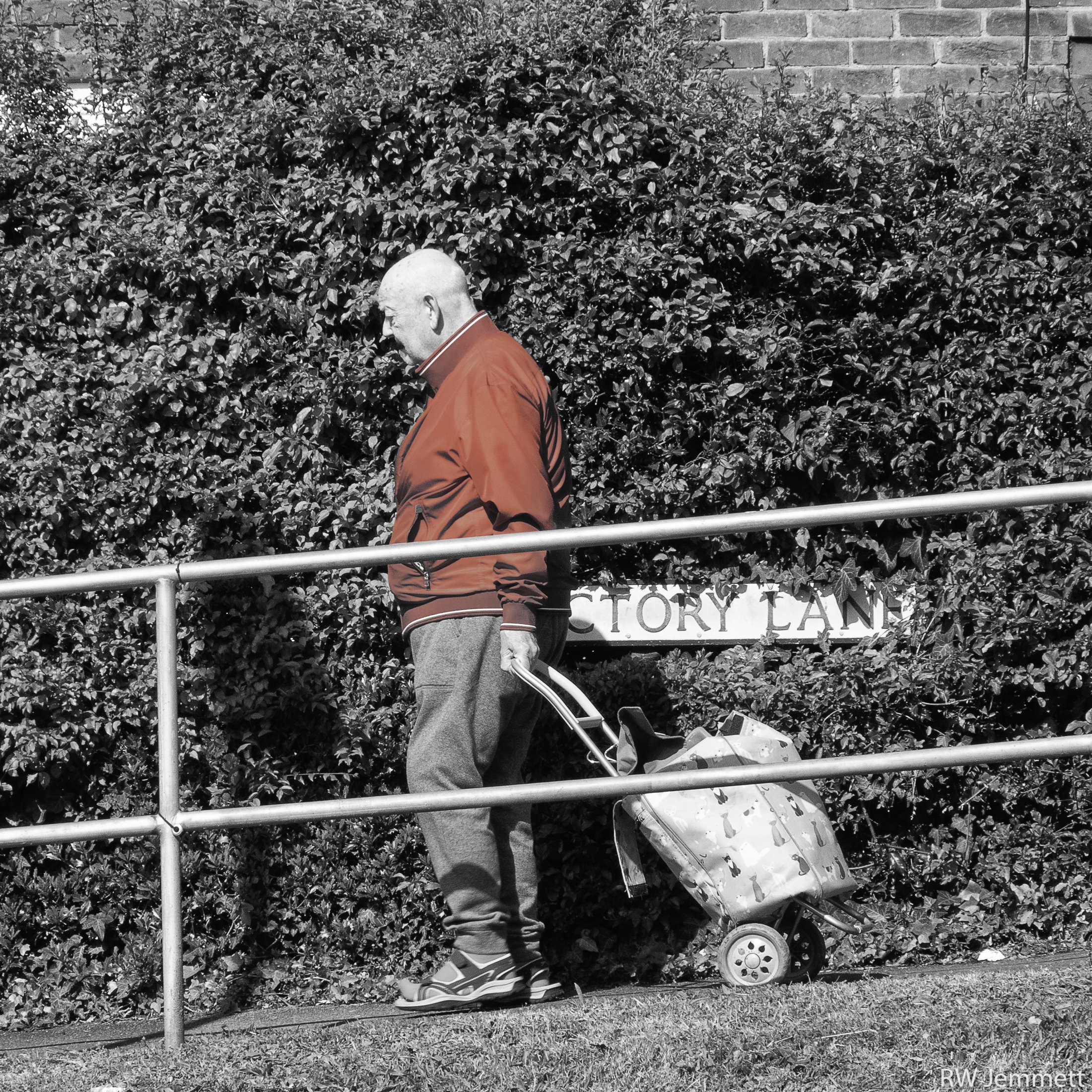
Red Tory

Just Foraging

Crossing the Bridge
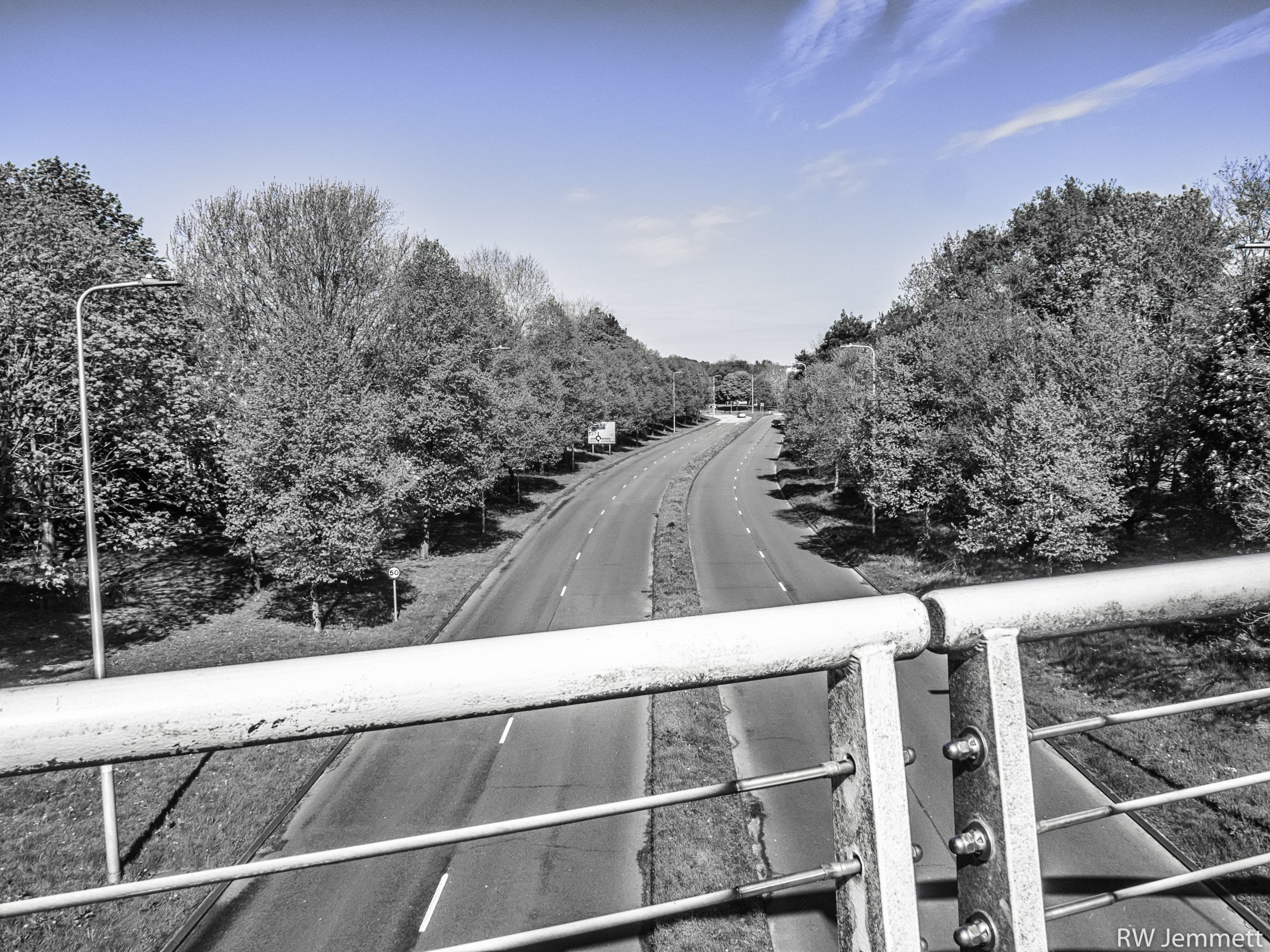
Empty Road
I edited the photos using Lightroom and Nik Software.