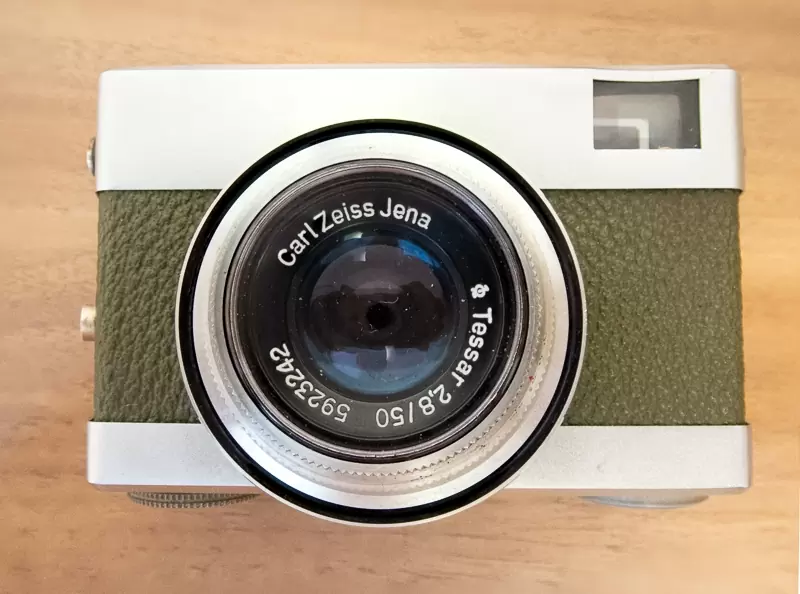
Overview
The first WerraWerra cameras were made in Eastern Germany, GDR, from 1954 to 1968 by Carl Zeiss Jena, at the Eisfeld factory. Werra comes from the name of a small river close to the factory. So if you search for Werra you will often find photos of the river and surrounding area. More was introduced in 1954. All WerraWerra cameras were made in Eastern Germany, GDR, from 1954 to 1968 by Carl Zeiss Jena, at the Eisfeld factory. Werra comes from the name of a small river close to the factory. So if you search for Werra you will often find photos of the river and surrounding area. More subsequent models have four features that define them and make them easy to recognise.
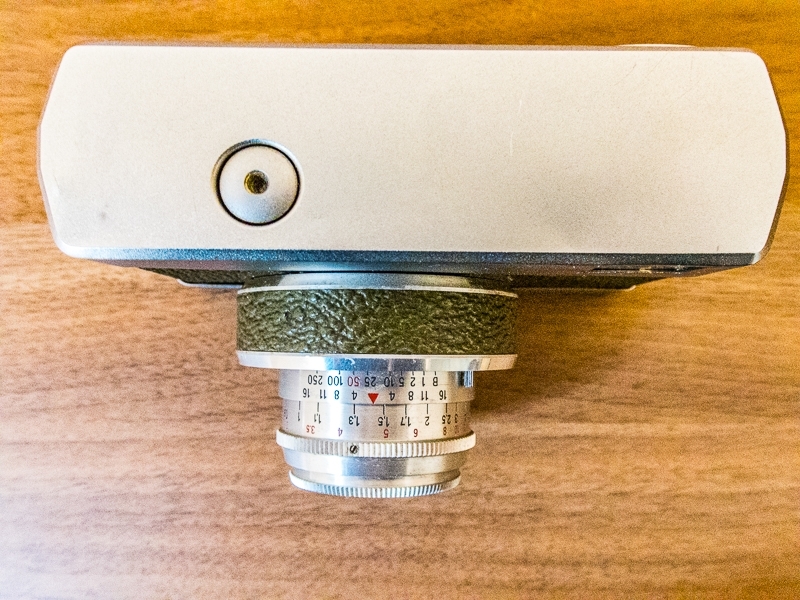
- The film advance is incorporated into the lens housing. A twist to contact the shutterEither mechanical and/or electronic shutters are possible. Mechanical systems can use a leaf (or iris) shutter or curtain shutter. In digital cameras a third alternative is also possible: the electronic shutter. This works by activating and then deactivating the CCD so that no further light can be recorded, regardless of whether light is hitting the CCD. The shutter controls the exposure time, which can range from thousandths of a second to several minutes or more. Fast shutter speeds freeze action, slow speeds are more suited to stationary subjects. A tripod is recommended for slow exposure shots to avoid camera shake, or IBIS. More and advance the 35mm film.
- A removable screw-on lens cover that doubles as a lens shade.
- The film frame counter and rewind are on the bottom of the camera
- The whole back of the camera can be removed to access the film and mechanism
- The whole design is ‘modern’, compact, and sleek.
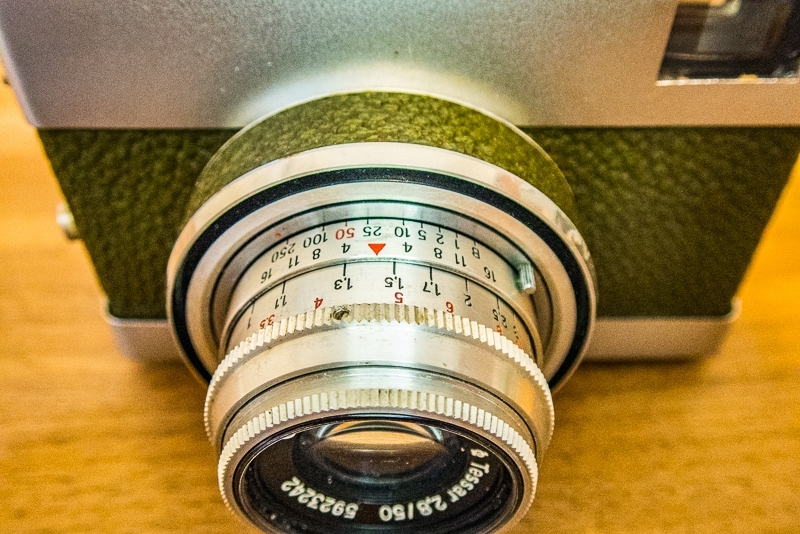
My WerraWerra cameras were made in Eastern Germany, GDR, from 1954 to 1968 by Carl Zeiss Jena, at the Eisfeld factory. Werra comes from the name of a small river close to the factory. So if you search for Werra you will often find photos of the river and surrounding area. More 1 has a Carl Zeiss Jena 50mm f/2.8 Tessar Lens and a Synchro-Compur ShutterEither mechanical and/or electronic shutters are possible. Mechanical systems can use a leaf (or iris) shutter or curtain shutter. In digital cameras a third alternative is also possible: the electronic shutter. This works by activating and then deactivating the CCD so that no further light can be recorded, regardless of whether light is hitting the CCD. The shutter controls the exposure time, which can range from thousandths of a second to several minutes or more. Fast shutter speeds freeze action, slow speeds are more suited to stationary subjects. A tripod is recommended for slow exposure shots to avoid camera shake, or IBIS. More (1 to 1/500th & B). Although research shows that some WerraWerra cameras were made in Eastern Germany, GDR, from 1954 to 1968 by Carl Zeiss Jena, at the Eisfeld factory. Werra comes from the name of a small river close to the factory. So if you search for Werra you will often find photos of the river and surrounding area. More 1 cameras are equipped with a coated Novonar f/3.5 lens and a Vebur shutterEither mechanical and/or electronic shutters are possible. Mechanical systems can use a leaf (or iris) shutter or curtain shutter. In digital cameras a third alternative is also possible: the electronic shutter. This works by activating and then deactivating the CCD so that no further light can be recorded, regardless of whether light is hitting the CCD. The shutter controls the exposure time, which can range from thousandths of a second to several minutes or more. Fast shutter speeds freeze action, slow speeds are more suited to stationary subjects. A tripod is recommended for slow exposure shots to avoid camera shake, or IBIS. More with a top speed of 1/250 and slow speeds down to 1s.
To my eyes, the WerraWerra cameras were made in Eastern Germany, GDR, from 1954 to 1968 by Carl Zeiss Jena, at the Eisfeld factory. Werra comes from the name of a small river close to the factory. So if you search for Werra you will often find photos of the river and surrounding area. More 1 is a beautiful camera with its smooth lines and space-age looks. The camera looks simple and hides the complexity and advanced mechanics within.
The earliest WerraWerra cameras were made in Eastern Germany, GDR, from 1954 to 1968 by Carl Zeiss Jena, at the Eisfeld factory. Werra comes from the name of a small river close to the factory. So if you search for Werra you will often find photos of the river and surrounding area. More 1 camera did not have a flash shoe later versions of the WerraWerra cameras were made in Eastern Germany, GDR, from 1954 to 1968 by Carl Zeiss Jena, at the Eisfeld factory. Werra comes from the name of a small river close to the factory. So if you search for Werra you will often find photos of the river and surrounding area. More 1 had a cold shoe mount above the viewfinder as well as some simple design changes including the addition of a WerraWerra cameras were made in Eastern Germany, GDR, from 1954 to 1968 by Carl Zeiss Jena, at the Eisfeld factory. Werra comes from the name of a small river close to the factory. So if you search for Werra you will often find photos of the river and surrounding area. More logo.
In many ways, for me, the WerraWerra cameras were made in Eastern Germany, GDR, from 1954 to 1968 by Carl Zeiss Jena, at the Eisfeld factory. Werra comes from the name of a small river close to the factory. So if you search for Werra you will often find photos of the river and surrounding area. More camera is an example of form over function. In that, the camera looks better than it handles. Having said that the mechanical construction is excellent and there are lots of good-condition working examples available.
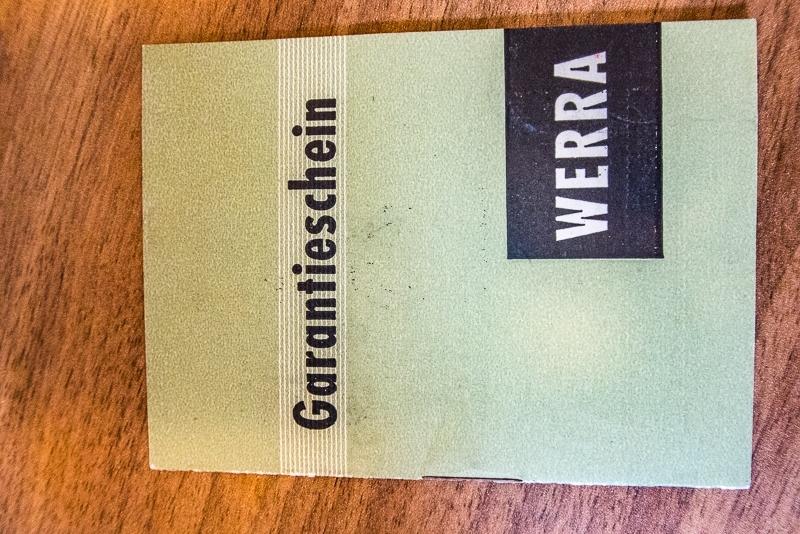
Werra 1 Gallery




Werra camera model range
The WerraWerra cameras were made in Eastern Germany, GDR, from 1954 to 1968 by Carl Zeiss Jena, at the Eisfeld factory. Werra comes from the name of a small river close to the factory. So if you search for Werra you will often find photos of the river and surrounding area. More 1 is the basic and as you may guess the first model: no rangefinderA rangefinder is a focus mechanism that allows the user to calculate the distance of a subject through the convergence of two images. Cameras that use this mechanism are usually referred to as ‘rangefinders’. Rangefinder cameras were very popular in the 1950s, 60s and 70s. Single Lens Reflex (SLRs) and compact cameras largely replaced them in the 70s, 80s and 90s. What is not always appreciated is that rangefinders offer several tangible benefits over SLRs, not least in image quality. Indeed, many photographers would rate the Leica M Digital Rangefinder as one of the best cameras available today. More, no meter. The WerraWerra cameras were made in Eastern Germany, GDR, from 1954 to 1968 by Carl Zeiss Jena, at the Eisfeld factory. Werra comes from the name of a small river close to the factory. So if you search for Werra you will often find photos of the river and surrounding area. More 2 (or II) has an uncoupled meter in the top plate but no rangefinderA rangefinder is a focus mechanism that allows the user to calculate the distance of a subject through the convergence of two images. Cameras that use this mechanism are usually referred to as ‘rangefinders’. Rangefinder cameras were very popular in the 1950s, 60s and 70s. Single Lens Reflex (SLRs) and compact cameras largely replaced them in the 70s, 80s and 90s. What is not always appreciated is that rangefinders offer several tangible benefits over SLRs, not least in image quality. Indeed, many photographers would rate the Leica M Digital Rangefinder as one of the best cameras available today. More; the 3 has a coupled rangefinderA rangefinder is a focus mechanism that allows the user to calculate the distance of a subject through the convergence of two images. Cameras that use this mechanism are usually referred to as ‘rangefinders’. Rangefinder cameras were very popular in the 1950s, 60s and 70s. Single Lens Reflex (SLRs) and compact cameras largely replaced them in the 70s, 80s and 90s. What is not always appreciated is that rangefinders offer several tangible benefits over SLRs, not least in image quality. Indeed, many photographers would rate the Leica M Digital Rangefinder as one of the best cameras available today. More but no meter; the 4 and 5 each have a rangefinderA rangefinder is a focus mechanism that allows the user to calculate the distance of a subject through the convergence of two images. Cameras that use this mechanism are usually referred to as ‘rangefinders’. Rangefinder cameras were very popular in the 1950s, 60s and 70s. Single Lens Reflex (SLRs) and compact cameras largely replaced them in the 70s, 80s and 90s. What is not always appreciated is that rangefinders offer several tangible benefits over SLRs, not least in image quality. Indeed, many photographers would rate the Leica M Digital Rangefinder as one of the best cameras available today. More and uncoupled meter; the Werramat is similar to the WerraWerra cameras were made in Eastern Germany, GDR, from 1954 to 1968 by Carl Zeiss Jena, at the Eisfeld factory. Werra comes from the name of a small river close to the factory. So if you search for Werra you will often find photos of the river and surrounding area. More 1 with a coupled meter and read-out in the viewfinder, and the Werramatic is a 3 with a ’Mat-style meter. Early models had different top plates; late models used a common top plate with a removable front window to allow several configurations with the same top plate.
Where and how to buy a Werra Camera
Good examples of WerraWerra cameras were made in Eastern Germany, GDR, from 1954 to 1968 by Carl Zeiss Jena, at the Eisfeld factory. Werra comes from the name of a small river close to the factory. So if you search for Werra you will often find photos of the river and surrounding area. More cameras are available in all the usual outlets. As with buying any camera read the description and double-check what is being sold. Also, check where the camera is being shipped from. With most sites, you can filter the results for your country. Buying a camera overseas may be good value but it can attract additional taxes when imported. When searching you may find that cameras are posted as WerraWerra cameras were made in Eastern Germany, GDR, from 1954 to 1968 by Carl Zeiss Jena, at the Eisfeld factory. Werra comes from the name of a small river close to the factory. So if you search for Werra you will often find photos of the river and surrounding area. More Mat, Werramatic, WerraWerra cameras were made in Eastern Germany, GDR, from 1954 to 1968 by Carl Zeiss Jena, at the Eisfeld factory. Werra comes from the name of a small river close to the factory. So if you search for Werra you will often find photos of the river and surrounding area. More 1, or WerraWerra cameras were made in Eastern Germany, GDR, from 1954 to 1968 by Carl Zeiss Jena, at the Eisfeld factory. Werra comes from the name of a small river close to the factory. So if you search for Werra you will often find photos of the river and surrounding area. More I (capital i). WerraWerra cameras were made in Eastern Germany, GDR, from 1954 to 1968 by Carl Zeiss Jena, at the Eisfeld factory. Werra comes from the name of a small river close to the factory. So if you search for Werra you will often find photos of the river and surrounding area. More used both numbers and roman numerals in the camera description. If you are looking for a WerraWerra cameras were made in Eastern Germany, GDR, from 1954 to 1968 by Carl Zeiss Jena, at the Eisfeld factory. Werra comes from the name of a small river close to the factory. So if you search for Werra you will often find photos of the river and surrounding area. More 1 like the one featured in this post you may alo want to add ‘olive’ or ‘green’ to the description.
More specifically with WerraWerra cameras were made in Eastern Germany, GDR, from 1954 to 1968 by Carl Zeiss Jena, at the Eisfeld factory. Werra comes from the name of a small river close to the factory. So if you search for Werra you will often find photos of the river and surrounding area. More cameras, it is essential that the shutterEither mechanical and/or electronic shutters are possible. Mechanical systems can use a leaf (or iris) shutter or curtain shutter. In digital cameras a third alternative is also possible: the electronic shutter. This works by activating and then deactivating the CCD so that no further light can be recorded, regardless of whether light is hitting the CCD. The shutter controls the exposure time, which can range from thousandths of a second to several minutes or more. Fast shutter speeds freeze action, slow speeds are more suited to stationary subjects. A tripod is recommended for slow exposure shots to avoid camera shake, or IBIS. More twist mechanism works and the shutterEither mechanical and/or electronic shutters are possible. Mechanical systems can use a leaf (or iris) shutter or curtain shutter. In digital cameras a third alternative is also possible: the electronic shutter. This works by activating and then deactivating the CCD so that no further light can be recorded, regardless of whether light is hitting the CCD. The shutter controls the exposure time, which can range from thousandths of a second to several minutes or more. Fast shutter speeds freeze action, slow speeds are more suited to stationary subjects. A tripod is recommended for slow exposure shots to avoid camera shake, or IBIS. More fires. They are difficult to repair. The WerraWerra cameras were made in Eastern Germany, GDR, from 1954 to 1968 by Carl Zeiss Jena, at the Eisfeld factory. Werra comes from the name of a small river close to the factory. So if you search for Werra you will often find photos of the river and surrounding area. More I does not use batteries or have a light meterA device that measures the scene’s luminosity in order to determine the best exposure value. Light meters can be part of a camera or a separate instrument. There are both analogue and electronic light meters. [azp_custom_product id="19"] More – later models do have a light meterA device that measures the scene’s luminosity in order to determine the best exposure value. Light meters can be part of a camera or a separate instrument. There are both analogue and electronic light meters. [azp_custom_product id="19"] More but it is unlikely that it will be working.
Werra cameras available through Etsy
Werra Wiki
[rdp-wiki-embed url=”http://camera-wiki.org/wiki/werra” toc_show=’0′ edit_show=’0′ infobox_show=’1′]
Instagram #werra1
Resources and links
Fixing a rusty Werra – Simon Hawkett part 1 and Part 2 – detailed repair of a WerraWerra cameras were made in Eastern Germany, GDR, from 1954 to 1968 by Carl Zeiss Jena, at the Eisfeld factory. Werra comes from the name of a small river close to the factory. So if you search for Werra you will often find photos of the river and surrounding area. More 1
Werra Cameras – CJ’s Classic Camera Collection Comprehensive post covering all WerraWerra cameras were made in Eastern Germany, GDR, from 1954 to 1968 by Carl Zeiss Jena, at the Eisfeld factory. Werra comes from the name of a small river close to the factory. So if you search for Werra you will often find photos of the river and surrounding area. More cameras and attachments
Carl Zeiss Jena Werra 1 Review – Function Following Form Review of WerraWerra cameras were made in Eastern Germany, GDR, from 1954 to 1968 by Carl Zeiss Jena, at the Eisfeld factory. Werra comes from the name of a small river close to the factory. So if you search for Werra you will often find photos of the river and surrounding area. More 1 – also read comments about later models
Werra; An East German Wonder Note there are two pages full of content.
Photography Books
-
 Photo Walk Log Book – 30 Walks and 20 Top Tips£4.80
 -
The PurmaTom Purvis, a renowned artist, and Alfred C. Mayo founded Purma Cameras Ltd. in 1935. David Brock of Brock Fireworks gave financial help to launch the company in London. Their office was at Brock House, Langham St, London W1. (Tom Purvis is perhaps better known as a commercial artist who was responsible for many of the great LNER Railway posters of the 1930s.) More Camera Book: A Vintage Camera Guide – Hardback£16.00
-
£24.00
-
£1.99
-
£17.55
-
 Photography Log Booklet 35mm 384 Exposures: Tables of Six Exposures per Page.£4.74
 -
Photography Log Booklet 35mm 192 Exposures: Tables of Six Exposures per Page.£4.25
-
The PurmaTom Purvis, a renowned artist, and Alfred C. Mayo founded Purma Cameras Ltd. in 1935. David Brock of Brock Fireworks gave financial help to launch the company in London. Their office was at Brock House, Langham St, London W1. (Tom Purvis is perhaps better known as a commercial artist who was responsible for many of the great LNER Railway posters of the 1930s.) More Camera Book: A Vintage Camera Guide – Using and Buying PurmaTom Purvis, a renowned artist, and Alfred C. Mayo founded Purma Cameras Ltd. in 1935. David Brock of Brock Fireworks gave financial help to launch the company in London. Their office was at Brock House, Langham St, London W1. (Tom Purvis is perhaps better known as a commercial artist who was responsible for many of the great LNER Railway posters of the 1930s.) More Cameras£9.95
-
 INTO THE FOREST – A Forest Adventure with Camera and Poodle. 24 Page Zine in A5 – 8.3 x 5.8 inches. Limited Edition. OlympusOlympus introduced its first camera in 1936, the Semi-Olympus I, fitted with the first Zuiko-branded lens. The first innovative camera series from Olympus was the Pen, launched in 1959. The half-frame format, allowing 72 pictures of 18 × 24 mm format on a standard 36-exposure roll of film, made Pen cameras compact and portable for their time. Pixel More Pen£1.25


Digital Downloads from Etsy
[etsy-shop shop_name=”RWJemmett” section_id=”28458455″]
Cameras for sale on our Etsy Store
[etsy-shop shop_name=”RWJemmett” section_id=”28927529″]