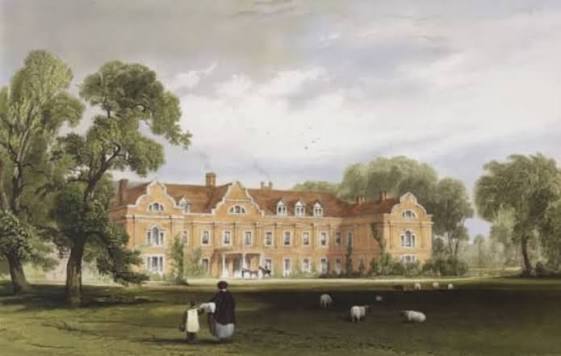
Most local history societies are sitting on a treasure they don’t fully realise the value of. A box of donated photographs in a committee member’s spare room. A filing cabinet of prints from a long-closed photography club. A handful of glass plate negatives nobody’s quite sure what to do with. These collections are often the only visual record of how a place actually looked — and they are, more often than not, one house fire, one flood, or one retiring volunteer away from being lost for good.
At the same time, most societies face the same quiet problem: an aging membership, a website few people outside the society ever visit, and no easy way to get these images in front of the people who’d actually be interested in them — which, it turns out, is a much bigger group than you might expect.
People genuinely love then-and-now photographs
There’s something about seeing a familiar street exactly as it looked fifty or a hundred years ago (rephotographyRephotography — sometimes called repeat photography — is the practice of photographing the same location from the same position on two or more separate occasions, with a significant time gap between images. The objective is a direct visual comparison: a diachronic pair that shows what has changed, what has survived, and what has been lost entirely. Read the Post - The Art and Craft of Photographing Time. Rephotography Organisations and Information More), lined up against how it looks today, that draws people in — including people who’ve never shown any interest in local history before.
It’s not a niche appeal, either. Post a then-and-now image to a local Facebook group — Bygone Bracknell, for one — and it routinely pulls in far more comments and shares than an ordinary post, a good number of them from people who’ve never shown any interest in local history before. That’s the audience a partnership puts your images in front of.
West Horsley Place – 1890 to 2026
Change this description
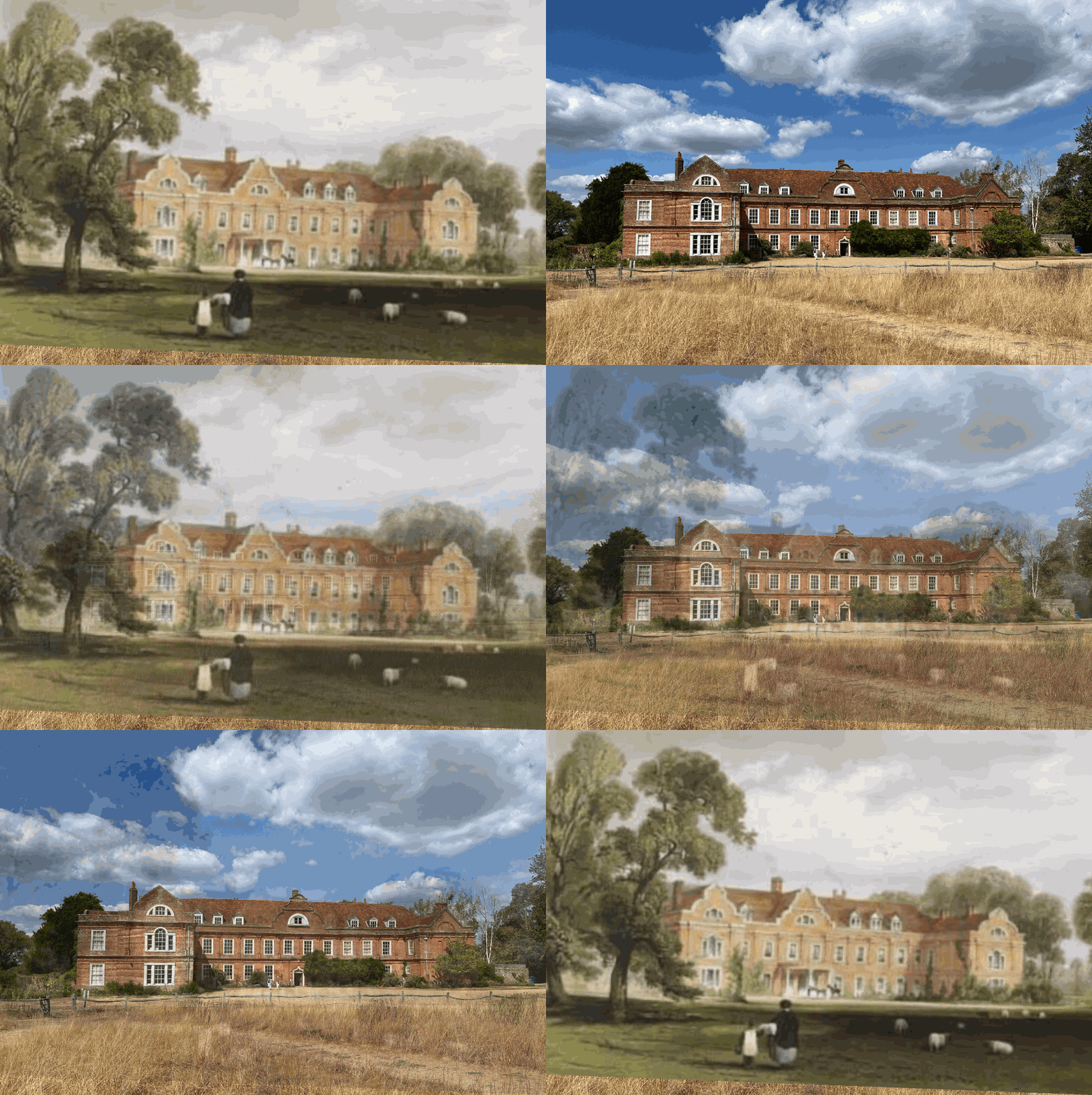
That’s the gap GhostViewer exists to fill: a free platform built specifically for aligning historical photographs against the present day, with a growing UK-wide archive — currently 781 historic photographs and 68 rephotographyRephotography — sometimes called repeat photography — is the practice of photographing the same location from the same position on two or more separate occasions, with a significant time gap between images. The objective is a direct visual comparison: a diachronic pair that shows what has changed, what has survived, and what has been lost entirely. Read the Post - The Art and Craft of Photographing Time. Rephotography Organisations and Information More “creations,” 849 pieces of content in total — and a community actively engaging with it. A photograph that’s sat in a folder for years, seen by a handful of society members, can be seen — and genuinely appreciated — by a much wider audience once it’s properly placed and aligned.
It’s not just the photo — it’s the memories attached to it
A then-and-now image on its own tells you how a place changed. What often matters more to visitors is what a photo means to them — and GhostViewer lets people add that directly. Anyone can leave a memory against a specific photo: who they recognise in it, what the shop used to sell, what happened there. Take this photo of the shops on Great Hollands as an example — it’s exactly the kind of image where a visitor’s own memory, attached right there on the page, turns a static picture into a small piece of real, personal local history. Over time, that builds into something your society’s own image collection couldn’t do on its own: a public, growing record of what a place meant to the people who lived there.
What it actually involves
This isn’t a big undertaking, and it doesn’t mean giving up control of your material:
- You keep ownership. Nothing is taken from you — the images stay credited to your society, by name, on every page they appear.
- You don’t need to do the technical work. Send over what you have (scans or the originals, whatever’s easiest), and the alignment and placement is handled for you.
- There’s no cost. This is a genuine partnership, not a paid service.
- It’s not all-or-nothing. Start with a handful of your best or most recognisable images and see how it goes.
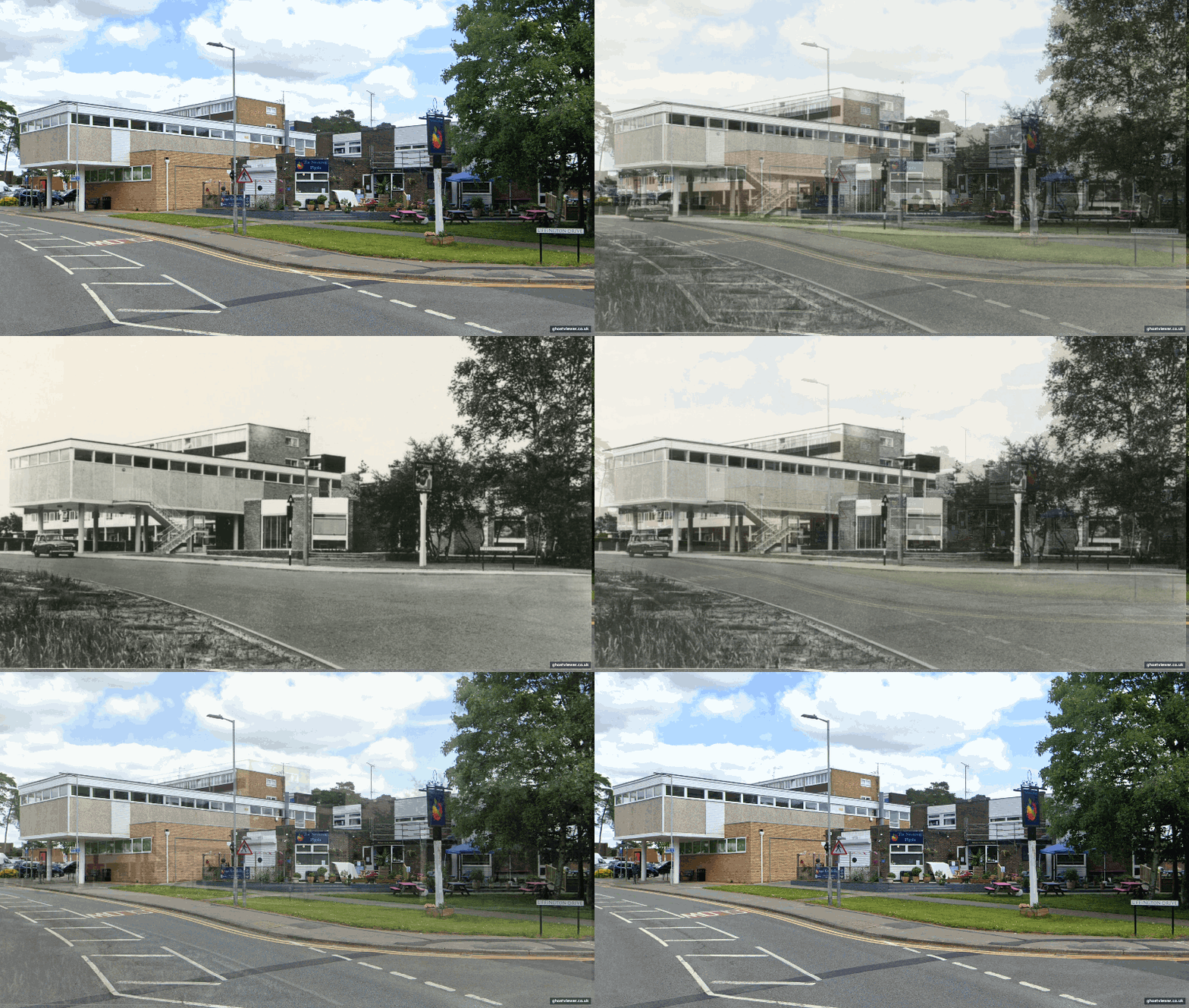
Harmans Water Community Centre
Change this description
What your society gets out of it
- A wider audience than your existing membership will ever reach on its own — GhostViewer’s own visitors, plus its presence across local history communities and social groups.
- A proper, lasting digital home for images that currently depend on one person remembering where the box is.
- A place where visitors can attach their own memories to your images — turning your archive into something people engage with, not just look at.
- Full, visible credit as a contributing partner, with a link back to your own society’s website or membership page — genuine new-member potential, not just exposureThe amount of light that reaches the film (or camera sensor). It determines how light or dark an image is. The exposure of an image is determined by the aperture, shutter speed, and film speed (ISO). During exposure, the sensors or chemicals on the film in analogue models, are subjected to the light outside the camera for a certain time. More.
- Your society’s name attached to a project that’s already approaching 850 pieces of archived content and growing — a contribution now becomes part of that story from early on.
Need to know more about working as a partner with Ghostviewer? https://ghostviewer.co.uk/ghostviewer-for-local-history-societies/
Visit the GhostViewer Partnership Page and drop us a message via the Partnerhip Contact Page